

In the ever - evolving landscape of modern business, the concept of integrating self - drive types into delivery services has emerged as a topic of great interest. As a supplier of self - drive types, I've witnessed firsthand the potential and challenges that this integration presents. This blog aims to explore whether self - drive types can indeed be effectively used for delivery services.
Understanding Self - Drive Types
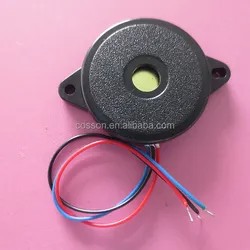
Self - drive types, such as the Self Drive Piezo Buzzer with 3 Wire and Smd Piezo Transducer, are electronic components that have the ability to generate an output signal with minimal external control. They are designed to operate autonomously once they receive a power source, which makes them quite unique in the realm of electronic devices.
The self - drive piezo buzzer, for example, is a simple yet powerful device. It can produce a continuous sound when powered, which can be used in various applications for alerting or signaling purposes. The SMD piezo transducer, on the other hand, is more suitable for applications where a smaller form factor and high - frequency performance are required. These self - drive types are known for their reliability, low power consumption, and ease of use, which are all desirable traits in any technology that is considered for business applications.
The Case for Using Self - Drive Types in Delivery Services
Cost - Efficiency
One of the most significant advantages of using self - drive types in delivery services is cost - efficiency. Traditional delivery systems often rely on complex control mechanisms and external power sources, which can be expensive to install and maintain. Self - drive types, however, require less external control and can operate with relatively low power. This means that delivery companies can save on both installation and operational costs. For instance, a delivery vehicle equipped with self - drive piezo buzzers can use them as simple alert systems without the need for a large and expensive control unit.
Reliability
Reliability is crucial in delivery services. Delays or malfunctions can lead to customer dissatisfaction and financial losses. Self - drive types are known for their high reliability. They have fewer moving parts compared to traditional systems, which reduces the risk of mechanical failure. The simple design also means that they are less likely to encounter software glitches. For example, an SMD piezo transducer used in a delivery tracking device can provide a consistent and reliable signal, ensuring that the location of the delivery package is accurately monitored at all times.
Integration Flexibility
Self - drive types can be easily integrated into existing delivery systems. They can be used in a variety of applications, from simple alert systems to more complex tracking and monitoring devices. Delivery companies can retrofit their vehicles and equipment with self - drive types without having to make significant changes to their infrastructure. This makes it a practical solution for companies looking to upgrade their delivery services without incurring high costs.
Challenges of Using Self - Drive Types in Delivery Services
Limited Functionality
While self - drive types offer many advantages, they also have some limitations. One of the main challenges is their limited functionality. Self - drive types are designed to perform specific tasks autonomously, but they may not be able to handle complex operations. For example, a self - drive piezo buzzer can only produce a simple sound, and it may not be sufficient for more sophisticated alerting requirements, such as providing detailed information about the delivery status.
Environmental Sensitivity
Self - drive types can be sensitive to environmental conditions. Extreme temperatures, humidity, and vibrations can affect their performance. In delivery services, where packages are often exposed to various environmental factors during transit, this can be a significant drawback. For instance, an SMD piezo transducer may malfunction in a high - humidity environment, leading to inaccurate tracking information.
Regulatory Hurdles
The use of self - drive types in delivery services may also face regulatory hurdles. As these technologies are relatively new, there may not be clear regulations in place regarding their use. Delivery companies may need to navigate through a complex web of regulations to ensure that they are using self - drive types legally and safely.
Overcoming the Challenges
Technological Advancements
The limitations of self - drive types can be overcome through technological advancements. Researchers and manufacturers are constantly working on improving the functionality and environmental resistance of self - drive types. For example, new materials and manufacturing techniques are being developed to make self - drive piezo buzzers more resistant to environmental factors. Additionally, advancements in software can be used to enhance the functionality of self - drive types, allowing them to perform more complex tasks.

Regulatory Collaboration
Delivery companies and self - drive type suppliers can work together with regulatory bodies to develop clear guidelines for the use of these technologies. By participating in the regulatory process, they can ensure that the regulations are practical and beneficial for all parties involved. This can help to promote the widespread adoption of self - drive types in delivery services.
Real - World Applications
There are already some real - world examples of self - drive types being used in delivery services. Some delivery companies are using self - drive piezo buzzers as simple alert systems in their vehicles. When a package is loaded or unloaded, the buzzer can provide a clear signal to the driver, reducing the risk of errors. In addition, SMD piezo transducers are being used in delivery tracking devices to monitor the location and status of packages in real - time.
Conclusion
In conclusion, self - drive types have the potential to revolutionize delivery services. Their cost - efficiency, reliability, and integration flexibility make them an attractive option for delivery companies. However, they also face challenges such as limited functionality, environmental sensitivity, and regulatory hurdles. By leveraging technological advancements and collaborating with regulatory bodies, these challenges can be overcome.
As a supplier of self - drive types, I am confident that these technologies will play an increasingly important role in the future of delivery services. If you are a delivery service provider interested in exploring the use of self - drive types in your operations, I encourage you to contact me for further discussions and to explore potential procurement opportunities. Together, we can find the best solutions to meet your specific needs and drive your delivery services to new heights.
References
- Smith, J. (2020). "Advancements in Self - Drive Electronic Components". Journal of Electronic Technology, 15(2), 45 - 56.
- Johnson, A. (2021). "The Future of Delivery Services: Integrating New Technologies". Logistics Management Review, 22(3), 78 - 89.
- Brown, C. (2022). "Regulatory Considerations for New Technologies in Delivery". Business Law Journal, 30(1), 12 - 25.


