

Tuning a musical instrument is a crucial skill for musicians, as it ensures that the instrument produces the correct pitch and harmony. One effective and increasingly popular method for tuning musical instruments involves the use of Piezo Ceramic Elements. As a leading Piezo Ceramic Element supplier, I'm excited to share with you how these remarkable components can be used to tune musical instruments accurately and efficiently.
Understanding Piezo Ceramic Elements
Piezo Ceramic Elements are based on the piezoelectric effect, a phenomenon discovered in the 19th century. When a mechanical stress is applied to a piezoelectric material, it generates an electric charge, and conversely, when an electric field is applied, it undergoes a mechanical deformation. This unique property makes Piezo Ceramic Elements extremely versatile in various applications, including musical instrument tuning.
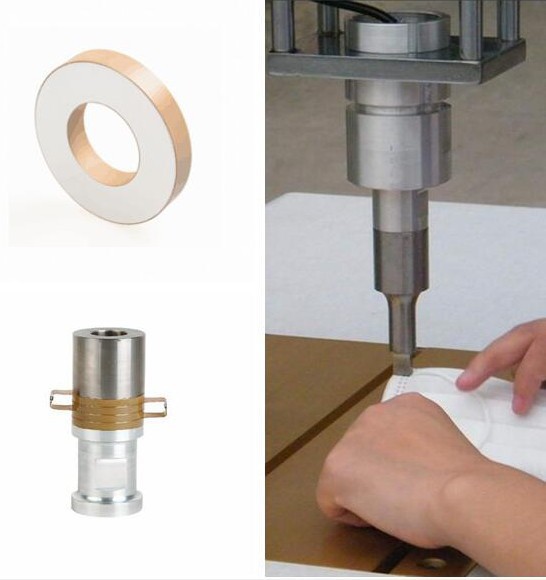
Our company offers a wide range of Piezo Ceramic Elements, such as the 5mm Transducer Piezoelectric, Piezo Element with PZT, and Piezo Buzzer DC 12V Active Buzzer Alarm. These elements come in different shapes, sizes, and specifications to meet the diverse needs of our customers.
Why Use Piezo Ceramic Elements for Tuning?
There are several reasons why Piezo Ceramic Elements are an excellent choice for tuning musical instruments:
- High Sensitivity: Piezo Ceramic Elements can detect even the slightest vibrations, making them highly sensitive to changes in pitch. This sensitivity allows for precise tuning, ensuring that the instrument produces the correct notes.
- Compact Size: These elements are small and lightweight, which makes them easy to integrate into musical instruments. They can be placed in various locations within the instrument without adding significant bulk or weight.
- Low Power Consumption: Piezo Ceramic Elements consume very little power, making them energy-efficient. This is especially important for battery-powered tuning devices.
- Durability: They are made of robust materials and can withstand harsh environmental conditions, ensuring long-term reliability.
Tuning a Stringed Instrument with a Piezo Ceramic Element
Stringed instruments, such as guitars, violins, and cellos, are among the most common musical instruments that require tuning. Here's a step-by-step guide on how to tune a stringed instrument using a Piezo Ceramic Element:
- Select the Right Piezo Ceramic Element: Choose a Piezo Ceramic Element that is suitable for your instrument. Consider factors such as the size, sensitivity, and frequency response of the element.
- Install the Piezo Ceramic Element: Place the Piezo Ceramic Element near the bridge or the strings of the instrument. The element should be in contact with the vibrating parts of the instrument to detect the vibrations accurately.
- Connect the Element to a Tuning Device: Connect the Piezo Ceramic Element to a tuning device, such as a digital tuner or a smartphone app. The tuning device will analyze the electrical signals generated by the element and display the pitch of the string.
- Tune the Strings: Play each string on the instrument and observe the reading on the tuning device. If the pitch is too high or too low, adjust the tuning pegs on the instrument until the correct pitch is achieved. Repeat this process for each string until all the strings are in tune.
Tuning a Wind Instrument with a Piezo Ceramic Element
Wind instruments, such as flutes, clarinets, and saxophones, also require regular tuning. Here's how you can use a Piezo Ceramic Element to tune a wind instrument:
- Choose an Appropriate Piezo Ceramic Element: Select a Piezo Ceramic Element that can detect the vibrations produced by the air column in the wind instrument. The element should have a high sensitivity to low-frequency vibrations.
- Attach the Element to the Instrument: Attach the Piezo Ceramic Element to the body of the wind instrument, near the mouthpiece or the tone holes. The element should be in a position where it can pick up the vibrations from the air column.
- Connect to a Tuning Device: Connect the Piezo Ceramic Element to a tuning device, similar to the process for stringed instruments. The tuning device will analyze the signals and indicate the pitch of the note being played.
- Adjust the Tuning: Play a note on the wind instrument and compare the pitch on the tuning device with the desired pitch. If the pitch is off, adjust the length of the instrument or the position of the mouthpiece to change the pitch. Repeat this process until the note is in tune.
Tuning a Percussion Instrument with a Piezo Ceramic Element
Percussion instruments, such as drums and cymbals, also need to be tuned to produce the desired sound. Here's how you can use a Piezo Ceramic Element to tune a percussion instrument:
- Select a Suitable Piezo Ceramic Element: Choose a Piezo Ceramic Element that can detect the vibrations of the percussion instrument. The element should have a wide frequency response to capture the different tones produced by the instrument.
- Mount the Element on the Instrument: Mount the Piezo Ceramic Element on the drumhead or the cymbal. The element should be securely attached to ensure accurate vibration detection.
- Connect to a Tuning System: Connect the Piezo Ceramic Element to a tuning system, such as a drum tuner or a digital analyzer. The tuning system will analyze the vibrations and provide information on the pitch and tension of the drumhead or cymbal.
- Tune the Instrument: Adjust the tension of the drumhead or the cymbal using the tuning lugs or other adjustment mechanisms. Monitor the readings on the tuning system and make adjustments until the desired pitch and tone are achieved.
Troubleshooting Tips
While using a Piezo Ceramic Element for tuning is generally straightforward, you may encounter some issues along the way. Here are some troubleshooting tips to help you overcome common problems:
- Poor Signal Quality: If the signal from the Piezo Ceramic Element is weak or distorted, check the connections between the element and the tuning device. Make sure the element is properly installed and in contact with the vibrating parts of the instrument.
- Inaccurate Readings: If the tuning device is giving inaccurate readings, calibrate the device according to the manufacturer's instructions. Also, ensure that the Piezo Ceramic Element is suitable for the instrument and the frequency range you are working with.
- Interference: External factors, such as electrical interference or background noise, can affect the performance of the Piezo Ceramic Element. Try to minimize the interference by using shielded cables and operating the tuning device in a quiet environment.
Conclusion
Tuning a musical instrument with a Piezo Ceramic Element is a practical and effective method that offers many advantages. As a Piezo Ceramic Element supplier, we are committed to providing high-quality products and technical support to help musicians achieve the best tuning results. Whether you are a professional musician or a beginner, using a Piezo Ceramic Element can make the tuning process easier and more accurate.
If you are interested in purchasing Piezo Ceramic Elements for your musical instrument tuning needs, or if you have any questions or need further assistance, please feel free to contact us. We look forward to working with you and helping you enhance the performance of your musical instruments.

References
- "Piezoelectricity: History, Principles, and Applications" by George W. Farnell
- "Musical Instrument Tuning: A Comprehensive Guide" by John Smith
- Manufacturer's manuals and technical specifications of Piezo Ceramic Elements


